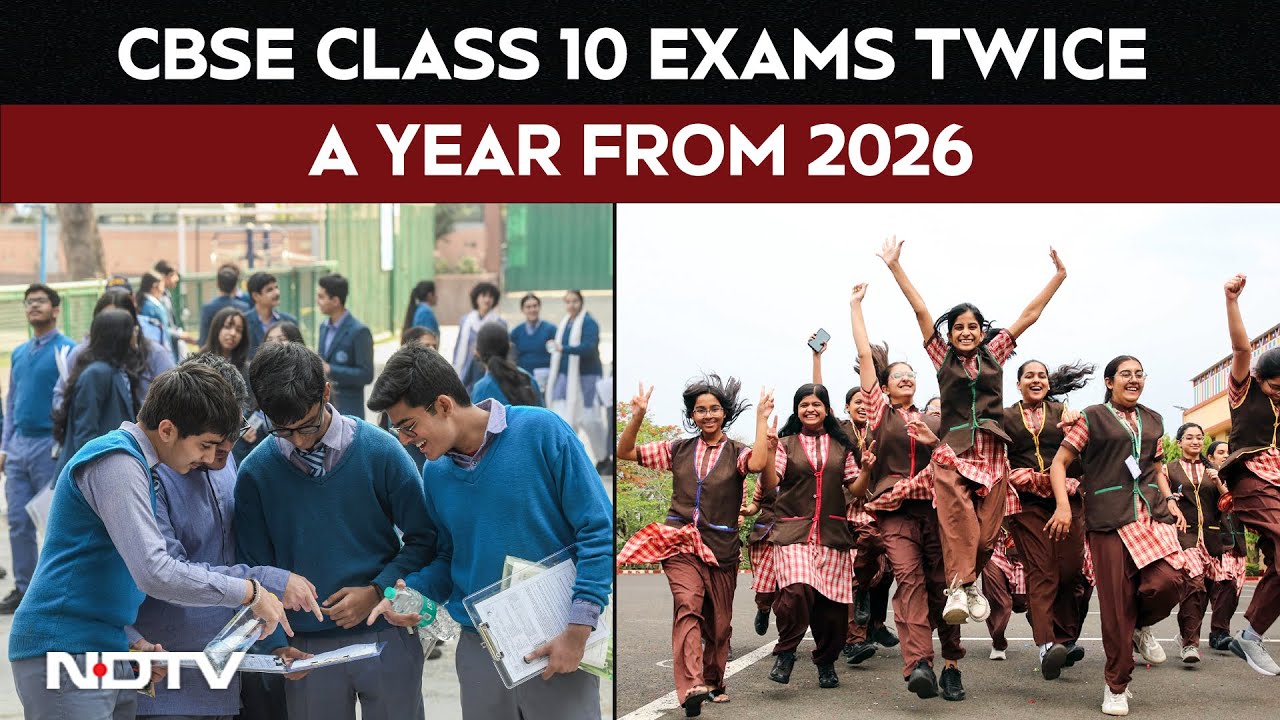
CBSE Class 10 Exams Twice A Year From 2026: How Can Students Make The Most Of It?
In a major reform aimed at reducing academic pressure and promoting holistic learning, the Central Board of Secondary Education (CBSE) has announced that from 2026, Class 10 board exams will be conducted twice a year. This move, in line with the National Education Policy (NEP) 2020, is set to transform the way Indian students approach one of the most critical milestones in their academic journey.
Why the Change?
Traditionally, CBSE students have faced the daunting challenge of a single, high-stakes board exam at the end of the academic year. The new system, which allows students to take board exams twice and retain their best score, is designed to alleviate exam-related stress and anxiety. It also offers students a second chance to improve their performance, fostering a more flexible and student-friendly assessment environment.
CBSE officials emphasize that this reform is not just about reducing pressure but also about encouraging deeper learning and understanding. By providing two opportunities, the board hopes students will focus more on grasping concepts rather than rote memorization.
How Can Students Make The Most Of This Opportunity?
-
Strategic Planning:
With the option to appear for exams twice, students can plan their preparation more strategically. Some may choose to attempt a few subjects in the first session and the rest in the second, depending on their comfort and readiness. This staggered approach can help distribute the study load and prevent last-minute cramming.
Early Preparation and Practice:
The first attempt can act as a trial run, helping students identify their strengths and weaknesses. By preparing thoroughly for the first session, students can gain confidence and valuable exam experience. The feedback from this attempt can guide focused revision for the second session.
Learning from Mistakes:
If the first attempt does not yield the desired results, students can use the insights gained to improve in the next round. This iterative process encourages a growth mindset, where mistakes are viewed as opportunities for learning rather than failures.
Reduced Performance Anxiety:
Knowing that there is a second opportunity can help students manage their anxiety and perform better. The fear of a “make-or-break” exam is replaced by a more balanced approach to assessment.
Flexibility for Unforeseen Circumstances:
Life is unpredictable—illness, family emergencies, or other disruptions can happen. The twice-a-year exam system ensures that such events do not derail a student’s academic progress, as they have another chance within the same year.

Expert Tips for Students and Parents
Don’t Treat the First Attempt Casually: Experts warn against treating the first exam as just a practice. Instead, students should give their best effort in both sessions to maximize their chances of securing a high score.
Balanced Study Schedule: Spread out study hours and avoid last-minute rushes. Consistent, daily study habits are more effective than cramming.
Seek Support: Regularly consult teachers and counselors for guidance on time management, stress management, and subject-specific doubts.
Stay Healthy: Physical well-being greatly impacts mental performance. Balanced nutrition, exercise, and adequate sleep are crucial.
Potential Challenges
While the new system offers flexibility, it also requires students to be disciplined and self-motivated. There is a risk of procrastination, with some students possibly delaying serious preparation to the second session. Parents and educators must encourage students to utilize both opportunities wisely.

Conclusion
The introduction of twice-yearly CBSE Class 10 exams is a forward-thinking step in India’s educational landscape. By reducing pressure and allowing students to learn from their experiences, this reform empowers students to achieve their full potential. With careful planning, self-discipline, and a positive mindset, students can make the most of this new system and set themselves on a path to academic and personal success.
News

Drama Explodes Online 🎥: ‘Drone Chor’ Mastermind Finally Caught — Truth Behind The Thefts Stuns Nation!
Drone Theft Mastermind Caught! The Shocking Truth Behind India’s Viral ‘Drone Chor’ Finally Exposed In a sensational twist that has…

Comedy World Shattered 😭: Kapil Sharma Suffers Stroke, Bharti Singh Collapses in Tears at Hospital!
Comedy World Shattered 😭: Kapil Sharma Suffers Stroke, Bharti Singh Collapses in Tears at Hospital! Kapil Sharma Hospitalized After Low…

Bollywood Icon Dharmendra: Rumors of Death Unfounded, Family and Fans Urged to Pray for His Recovery
Bollywood Icon Dharmendra: Rumors of Death Unfounded, Family and Fans Urged to Pray for His Recovery Introduction In the ever-buzzing…

Shock in Comedy World : Kapil Sharma Suffers Stroke — Bharti Singh Breaks Down Crying at Hospital!
Sad News: Bharti Singh brokedown as Kapil Sharma admitted to Hospitaafter Stroke! Kapil Sharma Hospitalized After Low Blood Pressure Scare:…

Today Bollywood King Dharmendra passed away..? Dharmendra has died, see full information
Bollywood Icon Dharmendra: Rumors of Death Unfounded, Family and Fans Urged to Pray for His Recovery Introduction In the ever-buzzing…

Bollywood King Dharmendra has passed away today. See the full details about Dharmendra’s death.
Bollywood King Dharmendra has passed away today. See the full details about Dharmendra’s death. In the constantly active realm of…
End of content
No more pages to load