Maharashtra Language Policy in Turmoil: State Government Cancels Language Policy Resolution Amid Hindi Imposition Allegations
In a dramatic turn of events, the Maharashtra state government has withdrawn its recently passed language policy resolution following widespread protests and mounting allegations of “Hindi imposition” from opposition parties, language activists, and civil society groups.

The Controversial Policy
Earlier this month, the Maharashtra Cabinet approved a resolution aimed at increasing the use of Hindi in official communication, educational institutions, and administrative affairs across the state. The policy, which proposed that Hindi be used alongside Marathi and English in government offices, schools, and public signages, was presented as an effort to “promote national integration and facilitate communication for non-Marathi speakers.”
However, the move immediately sparked outrage among local political parties, cultural organizations, and ordinary citizens. Critics argued that the policy would undermine the status of Marathi, the state’s official language, and threaten the linguistic and cultural identity of Maharashtra. Many saw it as an attempt by the central government to impose Hindi in a state with a rich Marathi heritage.
Political Backlash and Public Outcry
The opposition, led by the Shiv Sena (UBT), Nationalist Congress Party (NCP), and Congress, was quick to denounce the resolution. “This is nothing short of linguistic imperialism,” said Aaditya Thackeray, a prominent Shiv Sena leader. “Marathi is the soul of Maharashtra. Any attempt to dilute its primacy in administration or education is an attack on our culture.”
Mass protests erupted in Mumbai, Pune, Nagpur, and other major cities. Demonstrators, carrying placards reading “Marathi Maanus First” and “No to Hindi Imposition,” demanded the immediate rollback of the policy. Social media campaigns with hashtags like #SaveMarathi and #StopHindiImposition trended for days, amplifying the public’s anger.
Language activists and academics also weighed in. “Maharashtra has a proud history of linguistic activism,” said Dr. Shubhada Joshi, a professor of linguistics at the University of Mumbai. “This policy would have set a dangerous precedent, marginalizing Marathi in its own homeland.”

Government’s Response and Policy Withdrawal
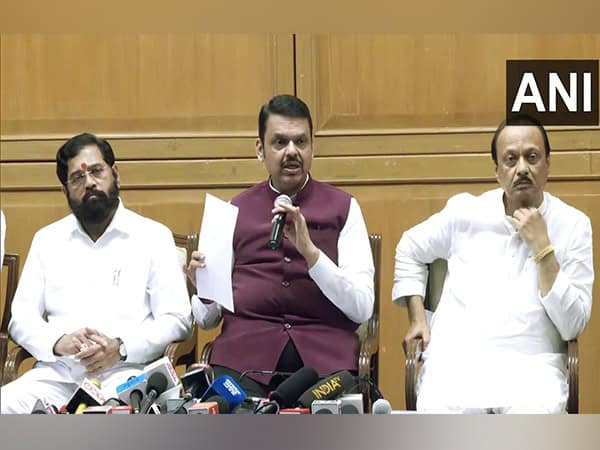
Facing mounting pressure, Chief Minister Eknath Shinde convened an emergency cabinet meeting on Sunday. In a statement released late in the evening, the government announced the withdrawal of the language policy resolution.
“We have always respected the sentiments of the people of Maharashtra,” said Deepali Deshmukh, the state’s Minister for Language Affairs. “Our intention was never to diminish the importance of Marathi. After listening to the concerns of citizens, cultural organizations, and political parties, we have decided to cancel the resolution. Marathi will continue to be the primary language of administration, education, and public life in Maharashtra.”
The government also announced the formation of a new expert committee to review language policies and recommend measures that balance the needs of linguistic minorities without compromising the primacy of Marathi.
Implications and Broader Context
The controversy has reignited the longstanding debate over language policies in India, a country with 22 officially recognized languages and hundreds of regional tongues. While Hindi is the most widely spoken language and the official language of the central government, many states—especially in the south and west—have resisted attempts to make Hindi mandatory in administration and education.
“The Maharashtra episode is a reminder that language is not just a medium of communication—it is a marker of identity and pride,” said Dr. Anjali Patil, a sociolinguist based in Pune. “Any policy that appears to threaten linguistic diversity or regional autonomy will inevitably provoke strong reactions.”
Political analysts believe the government’s quick reversal was a strategic move to avoid alienating the Marathi-speaking electorate ahead of the upcoming state assembly elections. “Language is an emotional issue in Maharashtra,” said political commentator Suresh Dandekar. “No government can afford to be seen as compromising on Marathi.”
Reactions from Stakeholders
Leaders from across the political spectrum welcomed the decision to withdraw the resolution. “This is a victory for the people of Maharashtra,” said NCP leader Supriya Sule. “We will always stand up for our language and culture.”
Civil society groups and language activists echoed similar sentiments but called for vigilance. “We appreciate the government’s responsiveness, but we must remain alert to any future attempts to dilute Marathi,” said Pramod Deshmukh, a prominent language activist.
Some representatives of Hindi-speaking communities in Maharashtra expressed disappointment, arguing that the policy would have helped non-Marathi speakers integrate more easily. However, most agreed that any changes to language policy should be made through broad consultation and consensus.
Looking Ahead
The Maharashtra government’s decision to cancel the language policy resolution has, for now, defused a potentially volatile situation. However, the episode has highlighted the deep-seated sensitivities surrounding language and identity in India’s federal system.
As the expert committee begins its work, all eyes will be on its recommendations and the government’s next steps. For now, Marathi remains firmly entrenched as the heart and soul of Maharashtra—a testament to the enduring power of language in shaping identity, politics, and society.
News
Drama Explodes Online 🎥: ‘Drone Chor’ Mastermind Finally Caught — Truth Behind The Thefts Stuns Nation!
Drone Theft Mastermind Caught! The Shocking Truth Behind India’s Viral ‘Drone Chor’ Finally Exposed In a sensational twist that has…

Comedy World Shattered 😭: Kapil Sharma Suffers Stroke, Bharti Singh Collapses in Tears at Hospital!
Comedy World Shattered 😭: Kapil Sharma Suffers Stroke, Bharti Singh Collapses in Tears at Hospital! Kapil Sharma Hospitalized After Low…
Bollywood Icon Dharmendra: Rumors of Death Unfounded, Family and Fans Urged to Pray for His Recovery
Bollywood Icon Dharmendra: Rumors of Death Unfounded, Family and Fans Urged to Pray for His Recovery Introduction In the ever-buzzing…

Shock in Comedy World : Kapil Sharma Suffers Stroke — Bharti Singh Breaks Down Crying at Hospital!
Sad News: Bharti Singh brokedown as Kapil Sharma admitted to Hospitaafter Stroke! Kapil Sharma Hospitalized After Low Blood Pressure Scare:…
Today Bollywood King Dharmendra passed away..? Dharmendra has died, see full information
Bollywood Icon Dharmendra: Rumors of Death Unfounded, Family and Fans Urged to Pray for His Recovery Introduction In the ever-buzzing…
Bollywood King Dharmendra has passed away today. See the full details about Dharmendra’s death.
Bollywood King Dharmendra has passed away today. See the full details about Dharmendra’s death. In the constantly active realm of…
End of content
No more pages to load